シャープ 過熱水蒸気オーブンレンジ RE-SS26B-W ホワイト系 2段調理 26L スチーム フラット庫内 角皿
35,800円
385 customer ratings
4.48 ★★★★
【商品紹介】 ■26Lサイズで2段熱風コンベクション 熱風が庫内全体に効率よく循環して焼きムラを抑えて素早く焼き上げ、また2段調理でたっぷりと調節できます ■間口が広くて出し入れしやすい&左右・後ろピッタリ置きなので省スペース設置が可能…
有意義な回答とは、新たな疑問を生むようなそれである。
自分自身に疑問を持つことは良識の第一歩だ。
素朴な疑問なんだけど、・・・トラとライオンはどっちが強いの?
This may be a silly question, but which is stronger - a tiger or a lion?
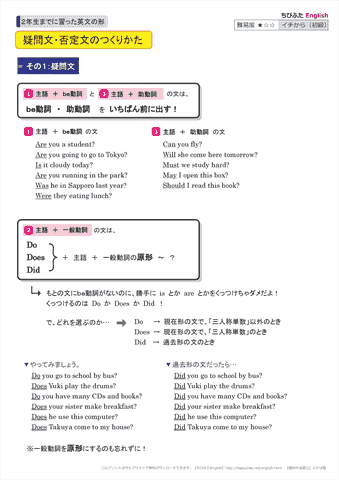
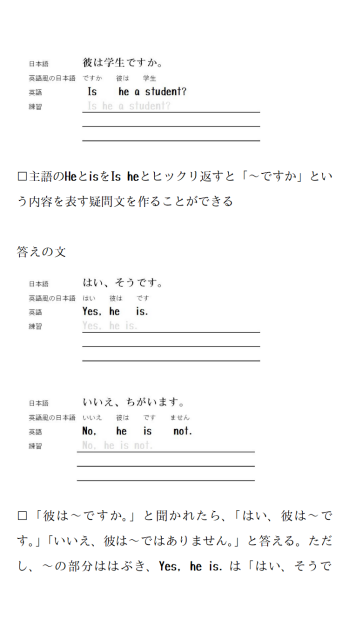
canは助動詞ですので、疑問文では文頭に持ってきます。
'can' is an auxiliary verb, so in question sentences it is brought to the start of the phrase.
文を書くときには、ふつう大文字で始め、ピリオド(.)、または感嘆符(!)、疑問符(?)、で終わる。
When writing a sentence, generally you start with a capital letter and finish with a period (.), an exclamation mark (!), or a question mark (?).
疑問が氷解しました!
My doubts have been cleared up.
このような名詞句を隠れ疑問文(concealed question)といいます。
This type of noun phrase is called a "concealed question".
僕の先輩たちは、純粋な好奇心を抱いて自分たちの疑問を自然に問いかけ、自然が答えるのを待った。
My predecessors had asked their questions of nature with genuine curiosity and awaited her reply.
弁護士は彼の無実に疑問を持った。
The lawyer doubted his innocence.
弁護士は彼の無罪に疑問を持った。
The lawyer doubted his innocence.
彼女の才能に関しては疑問の余地が無い。
There is no question as to her talent.
彼女がそう言うのはまったく疑問だ。
It is quite strange that she should say so.
彼らの計画が成功するかどうか疑問に思っている。
I have doubts about the success of their plan.
彼は今日学校にくるかどうか疑問だ。
彼はやたらに故事来歴に詳しいけれど、それが人生の役に立っているのかはなはだ疑問だね。
He has a great storehouse of knowledge about historical details but I seriously doubt that's of any use in life.
彼の成功には疑問がある。
His success is in question.
彼の経営手腕を疑問視する役員もいた。
Some board members questioned his ability to run the corporation.
彼が来るかどうか疑問だ。
I doubt if he will come.
彼が正直である事は認めるけど、能力には疑問を持っている。
Granted that he is honest, but I doubt his ability.
彼が正直であることは認めるが、能力には疑問を持っている。
Admitting that he is honest, I doubt his ability.