天津祝詞(禊祓詞)キーホルダー 梅の1
700円
10 customer ratings
4.6 ★★★★★
天津祝詞(あまつのりと) 禊祓詞(みそぎはらい) キーホルダー タイプ:梅の1 本体の大きさ: 縦60mm、横43mm、厚み約8mm メール便対応…


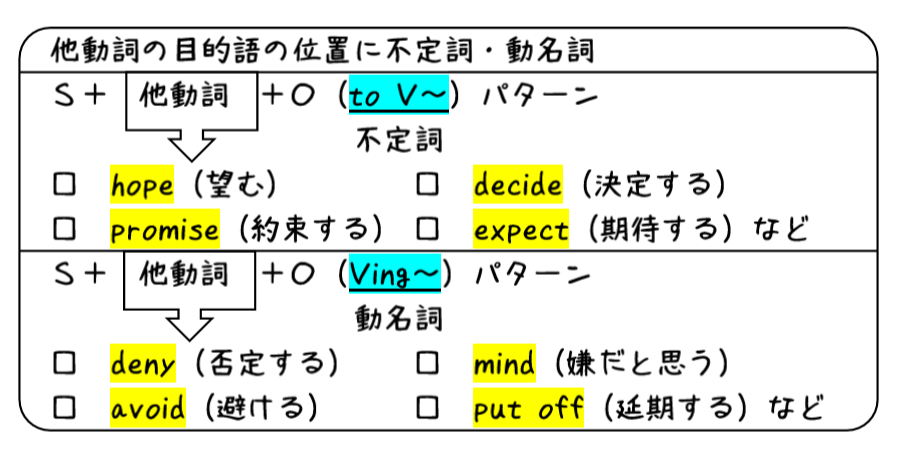
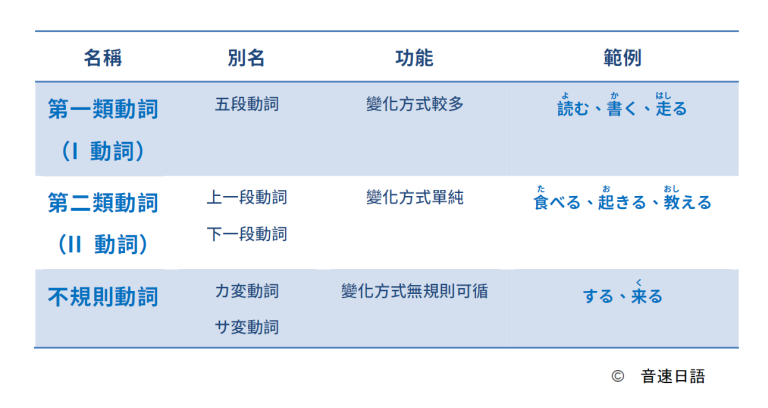
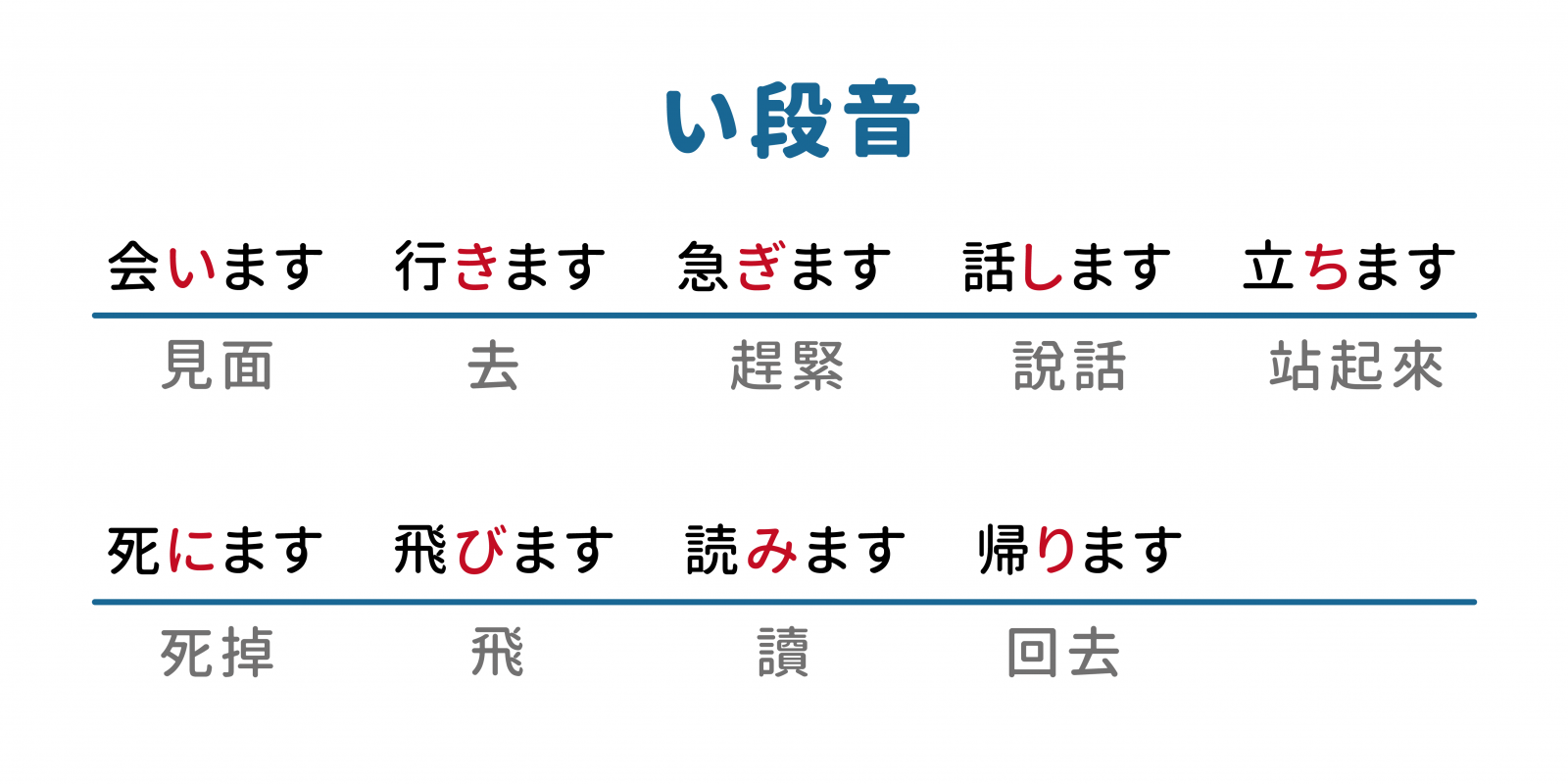
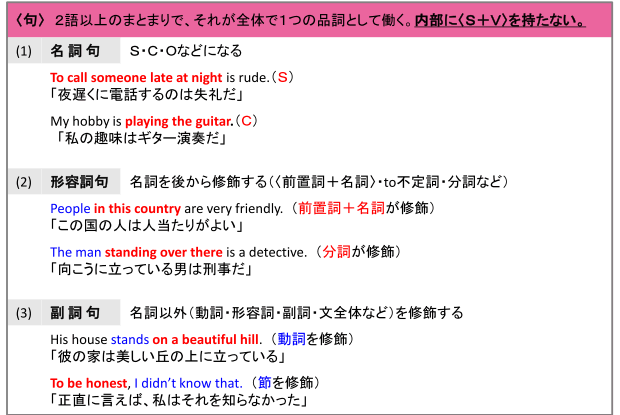
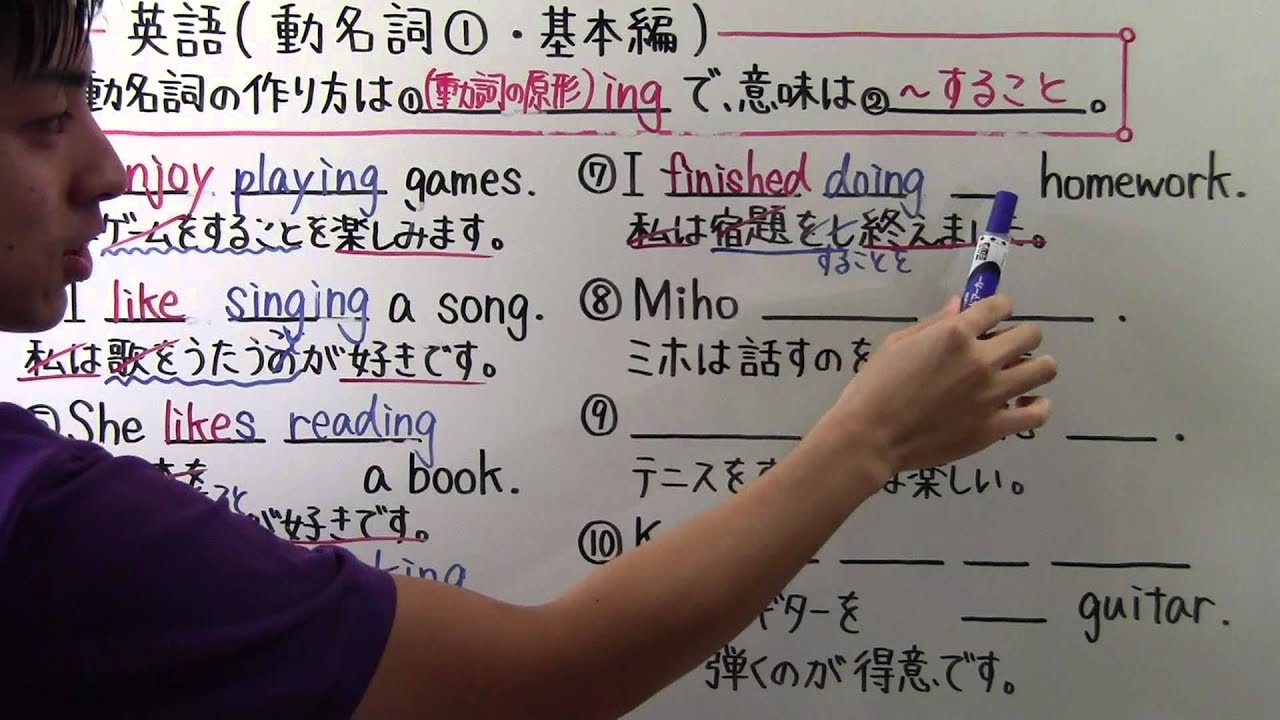
 それは私の台詞だよ! 歌詞を見てみれば、あまり意味が無いことに気付くでしょう。 「ああ!」は感嘆詞だ。 不規則動詞の勉強は好きではない。 「クレオパトラ」は美人の代名詞になっている。 toのつかない不定詞を原形不定詞と言う。 An infinitive without a 'to' attached is called a bare infinitive. 次の動詞はto不定詞だけを目的語にとります。 The following verbs only take the to-infinitive as their object. 接尾辞について、1:【-ion】「行動、状態、過程、結果」などの意を表す名詞を作る。 Suffixes, 1: "-ion" creates nouns that show the meaning of 'action, state, process, results,' and so on. needless to sayは不定詞の慣用表現として紹介されることが多いです。 'needless to say' is often introduced as an idiomatic expression in the infinitive. 今、基本的な分詞構文を教えているのですが、皆さんは以下の分詞構文の訳については、どのように異なる訳し方をされますか? I'm teaching basic participial constructions now, but, with regard to those below, what different ways of translating them would everybody use? しかしながら、前置詞+関係代名詞whichの部分が関係副詞whereとなっています。 However, the preposition+relative pronoun (which) part becomes a relative adverb (where). 関係代名詞は「接続詞+代名詞」のはたらきをしています。 Relative pronouns perform as 'conjunction + pronoun'. 補足情報には、副詞や副詞のはたらきをするものが入ります。 Supplementary information includes adverbs and things that function as adverbs. 動詞は述語動詞のことです。述語動詞は、主語や表す時によって形を変えます。 'Verb' refers to the predicate verb. Predicate verbs change their form depending on the subject and the time expressed. 品詞を理解することは、正しい語順感覚を身につけるうえで非常に大切なことです。 Understanding parts-of-speech is extremely important for getting the feel of word order. 仮定法過去の場合be動詞はすべてwereになるんだよ? With the subjunctive past all the 'be' verbs become 'were', OK? 引用した問題ではありませんが、関係代名詞と関係副詞の使い分けを問う問題がリーディングセクションにはあります。 The problem quoted isn't one, but there are problems in the reading section that ask you to distinguish relative pronouns from relative adverbs. 動詞helpはto不定詞・原形不定詞の両方をとりますが、くだけた文体では原形不定詞が多いとされており、この例文でもそれが使われています。 The verb 'help' takes to-infinitives and bare infinitives but bare infinitives are said to be the most common in casual text; as also used in this example sentence. 不定詞の形容詞的用法には2種類あり、①限定用法、②叙述用法。②はもちろん主格補語です。 There are two ways of using the infinitive as an adjective, 1. attributive, 2. predicative. Naturally 2. is a subject complement. 名詞を修飾するもの(形容詞、または形容詞相当語句)。 Things that modify nouns (adjective, or adjectival equivalent).
![【中古】 電詞都市DT(デトロイト)(上) / 川上 稔, さとやす / メディアワークス [文庫]【メール便送料無料】【最短翌日配達対応】](https://thumbnail.image.rakuten.co.jp/@0_mall/comicset/cabinet/05623706/bkui4g9wa5mvzcro.jpg?_ex=145x145)


![花詞 鍵和田ゆう子句集 (ふらんす堂文庫) [ 鍵和田ゆう子 ]](https://thumbnail.image.rakuten.co.jp/@0_mall/book/cabinet/1662/9784894021662.jpg?_ex=145x145)
![日本民族の源流を探る 柳田國男『後狩詞記』再考[本/雑誌] (単行本・ムック) / クライナー・ヨーゼフ/編](https://thumbnail.image.rakuten.co.jp/@0_mall/neowing-r/cabinet/item_img_651/neobk-1338108.jpg?_ex=145x145)