目的ドリブンの思考法【電子書籍】[ 望月安迪 ]
2,420円
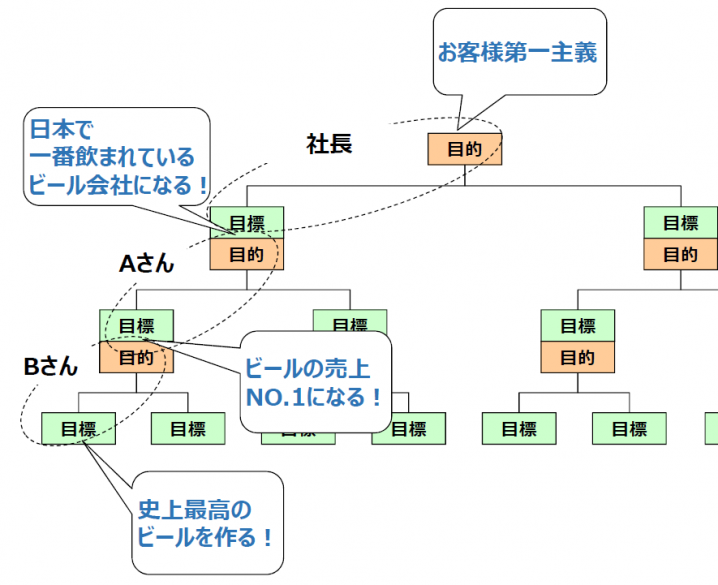
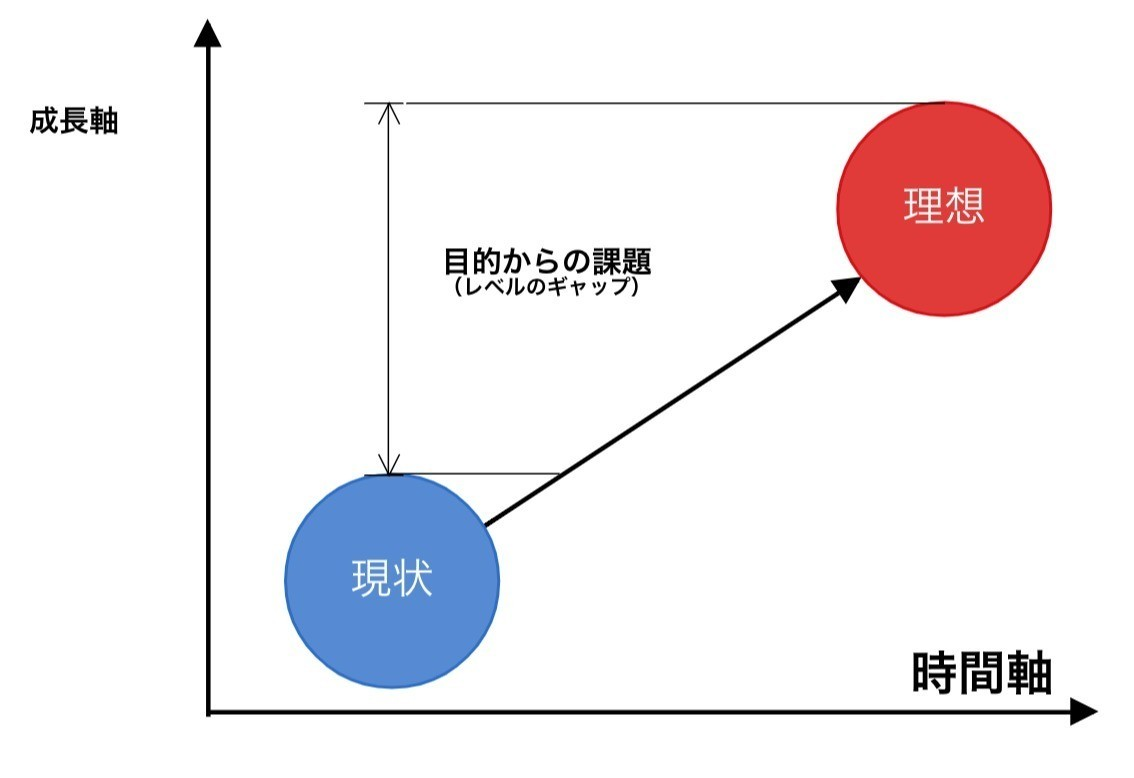
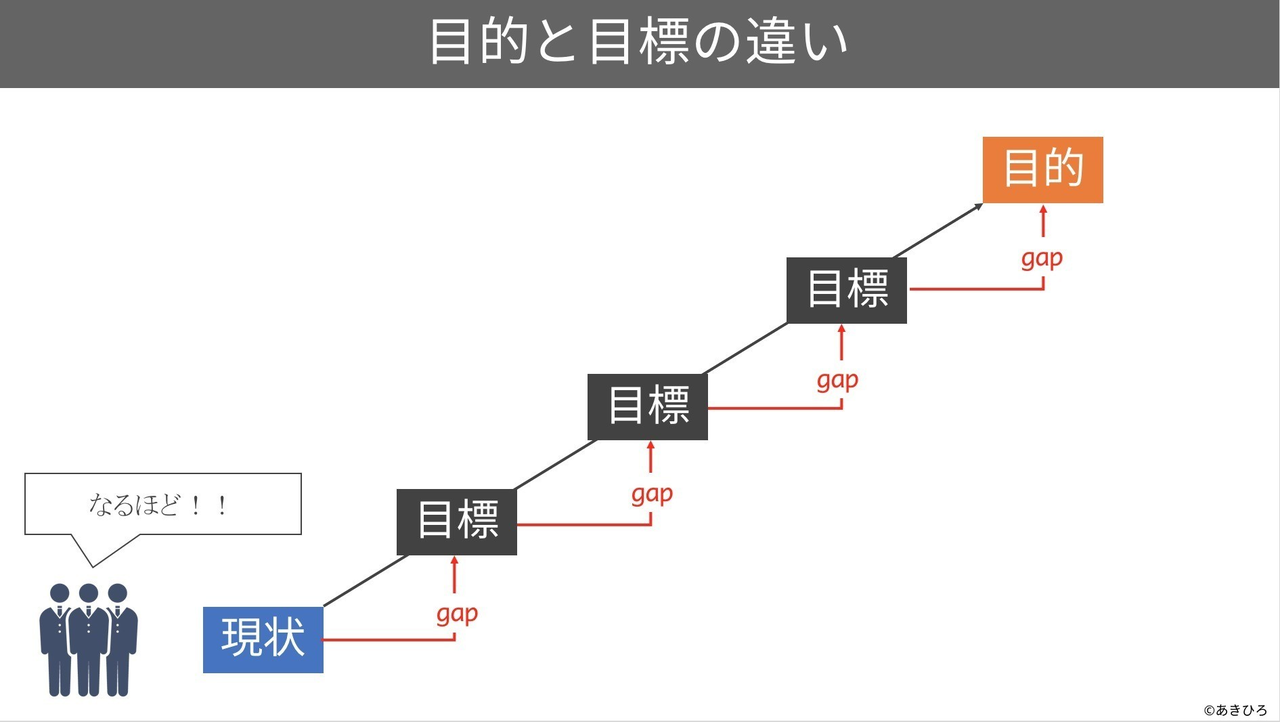
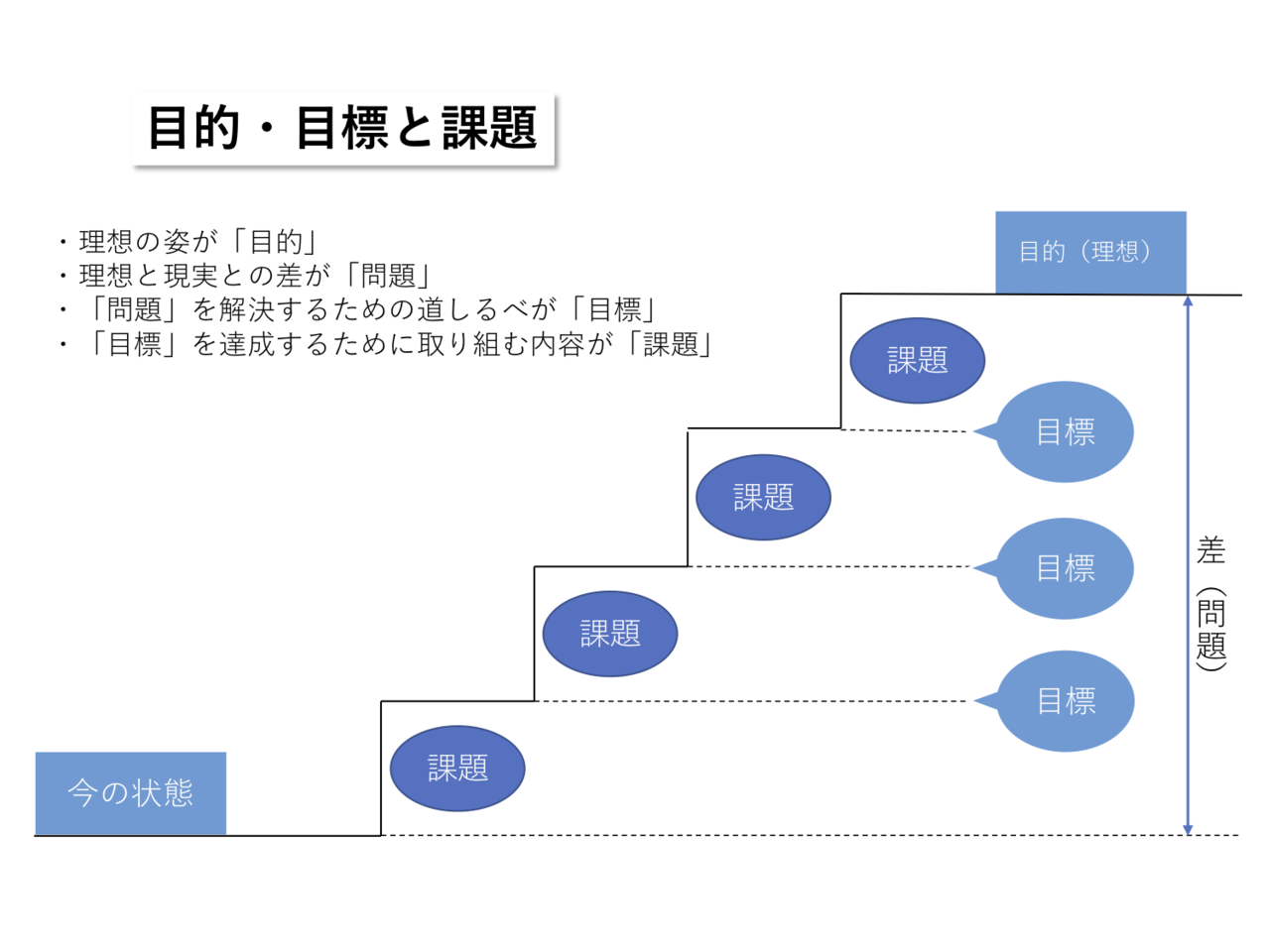
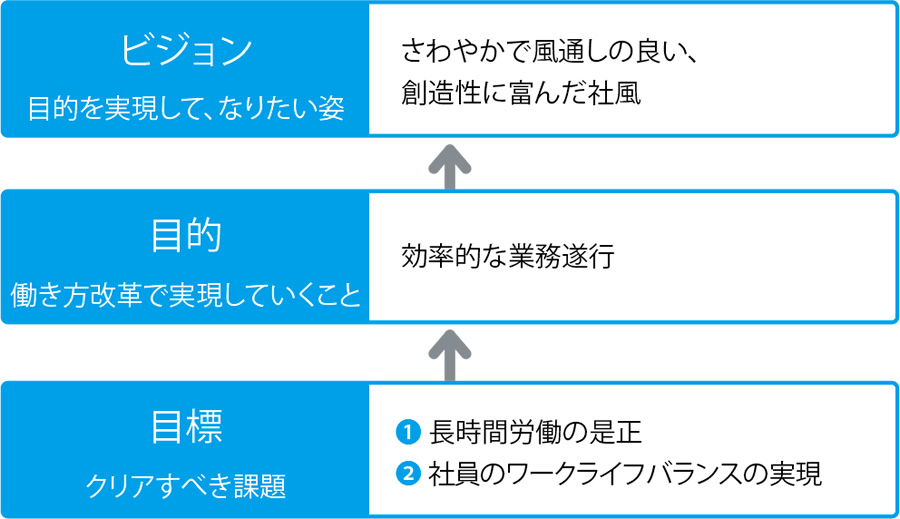
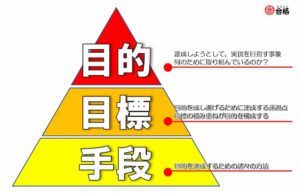
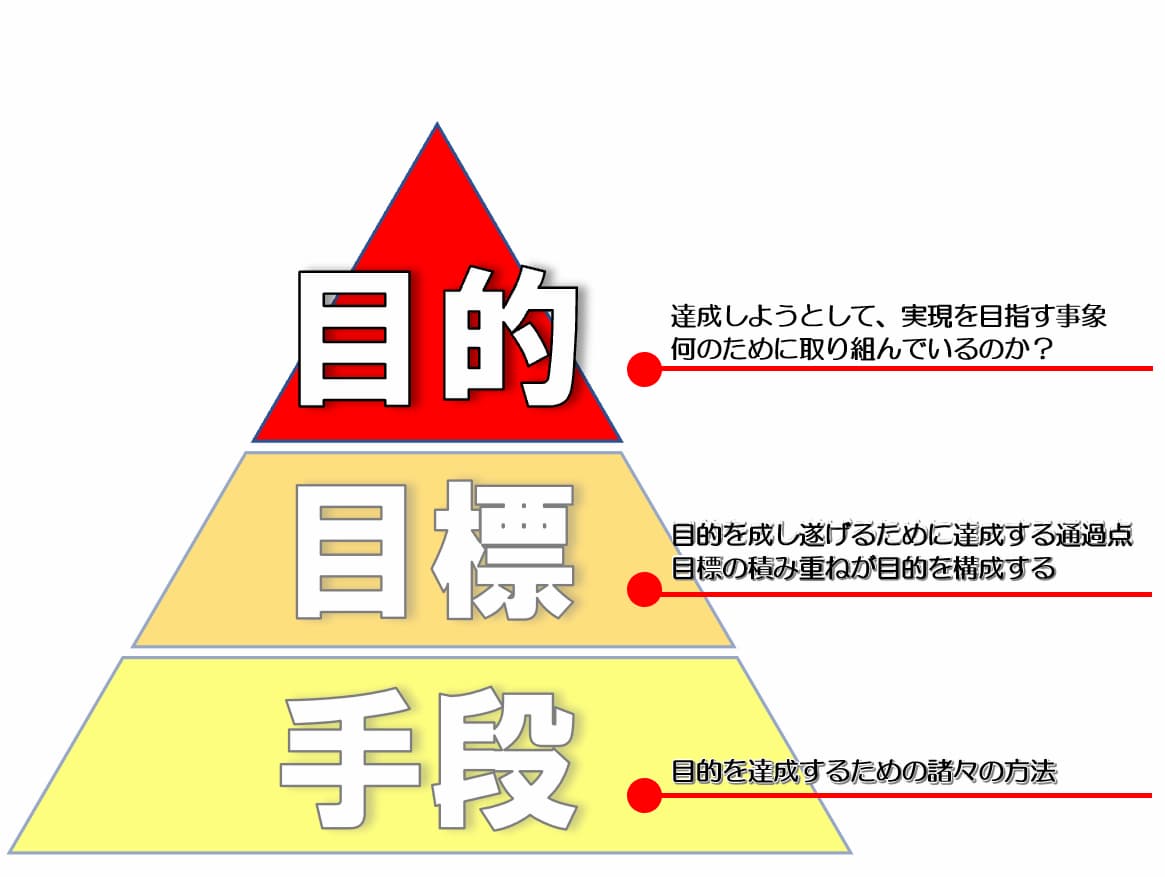
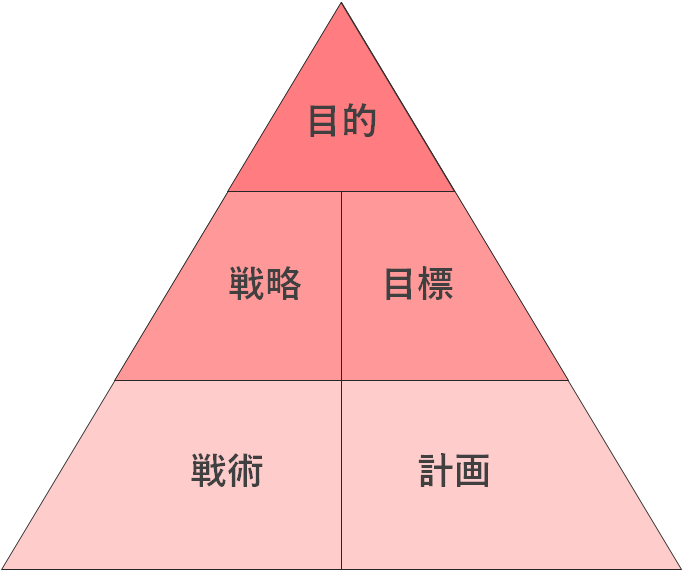
<p><strong>気鋭の戦略コンサルタントが教える<br /> 〈目的-目標-手段ピラミッド〉と〈5つの基本動作〉</strong></p> <p>デロイトトーマツで上位数パーセントの人材に限られる<br /> 最高評価を4年連続で獲得した気鋭の戦略コンサルタントが教える!<br />…



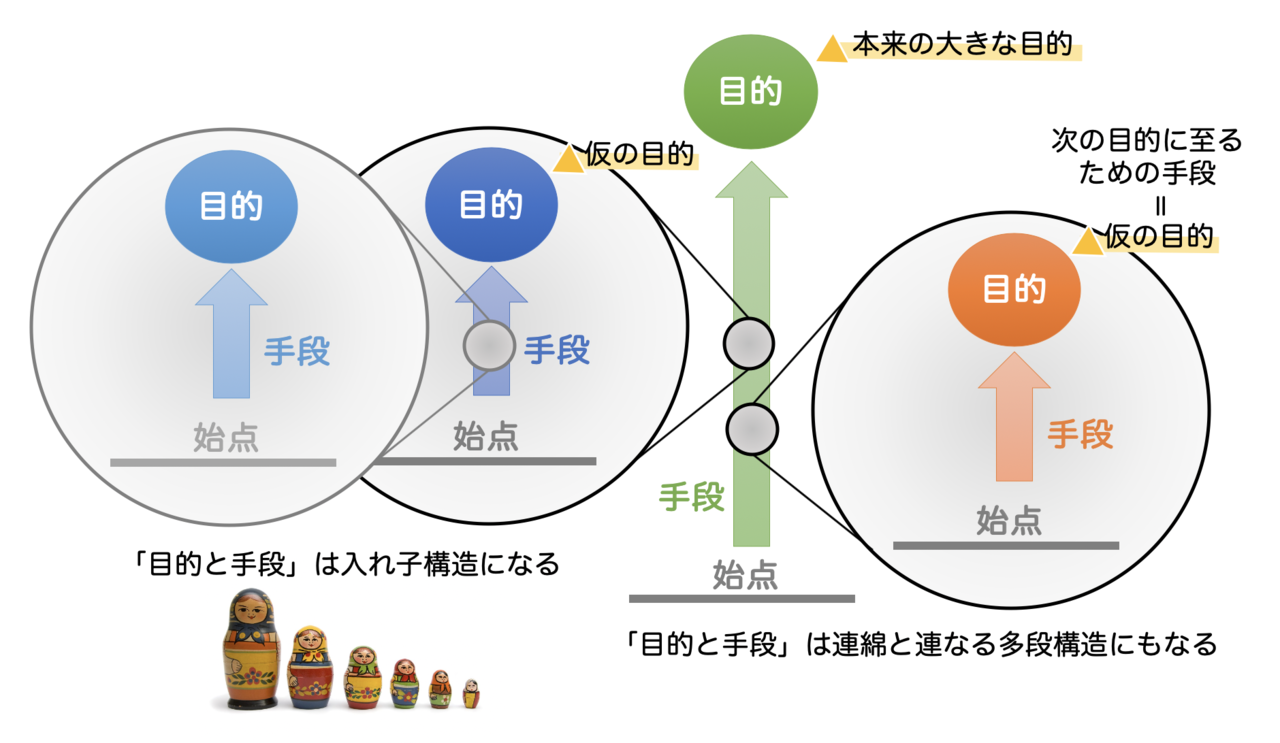
 多くの人が目的なく人生を漂う。 次の動詞はto不定詞だけを目的語にとります。 The following verbs only take the to-infinitive as their object. 全てを捨ててこのレストランをやる目的はひとつだけでした。 I had only one aim in throwing everything away to run this restaurant. 関係代名詞のthatは、主格、目的格の2つであり、所有格はありません。 The relative pronoun 'that' has two states, a nominative case and objective case, but there is no possessive case. 動詞には目的語をとらない自動詞と、目的語をとる他動詞があります。 With verbs there are intransitive verbs that don't take an object, and transitive verbs that do take an object. 完全自動詞は補語も目的語もとらない。 A complete intransitive verb takes neither complement nor object. 実は、have 目的語 doneは使役じゃない場合が多い。 Actually, there are many cases where 'have [object] done' is not causative. 目的語は、日本語では主に「に」や「を」で示される語である。 The object is that which in Japanese would generally be indicated with "ni" or "o". thatには、主格、目的格の2つしかなく、格による形の変化はない。 'That' has only the two cases, nominative and objective, and it does not inflect depending on the case. 旅人はついにその目的地にたどり着いた。 The traveler reached his destination at last. 旅行の目的は何ですか。 What's the purpose of your trip? 立派な目的があれば、つらい仕事も楽しみになる。 A good purpose makes hard work a pleasure. 余暇は目的のための手段と考えられている。 Leisure has been viewed as a means to an end. 問題は教育の目的というよりも教育をどう行うかである。 The question is not what education is for so much as how you go about it. 目的を達成するために、我々は協力したよ。 We played catch to achieve the goal. 目的を遂げるということは難しいということがわかった。 I found it difficult to achieve my purpose. 目的を果たすのはきつそうだった。 It looked tough to achieve his aim. 目的は必ずしも手段を正当化しない。 The end does not necessarily justify the means. 目的は手段を選ばない。 The end justifies the means. 目的は手段を正当化するだろうか。 Does the end justify the means?
![目的ドリブンの思考法【電子書籍】[ 望月安迪 ]](https://thumbnail.image.rakuten.co.jp/@0_mall/rakutenkobo-ebooks/cabinet/9003/2000010879003.jpg?_ex=145x145)
![目的ドリブンの思考法【DL特典 未収録原稿&思考の地図】 [ 望月 安迪 ]](https://thumbnail.image.rakuten.co.jp/@0_mall/book/cabinet/8316/9784799328316_1_2.jpg?_ex=145x145)
![性病検査 [最短即日結果確認] 性病検査キット 男性用 淋菌 性感染症 性病検査 性病 ふじメディカル 自宅で出来る性病検査 性病検査 自宅 検査キット STI検査 送料無料 早期発見 即日 匿名 STD 簡単 説明書 淋菌検査 郵送 男 男性 彼氏 セルフ 診断 スピード 早い 安心 安全](https://thumbnail.image.rakuten.co.jp/@0_mall/fujimedical/cabinet/10857346/3.jpg?_ex=145x145)
![性病検査 [最短即日結果確認] 性病検査キット 男性用 カンジダ 性病 性病検査 性感染症 ふじメディカル 自宅で性病検査 カンジダ用 性病検査 自宅 検査キット STI検査 送料無料 早期発見 即日 匿名 STD 簡単 説明書 郵送 男 セルフ 診断 カンジダ検査 カンジダ検査キット](https://thumbnail.image.rakuten.co.jp/@0_mall/fujimedical/cabinet/10857346/7.jpg?_ex=145x145)


![性病検査 [最短即日結果確認] 性病検査キット 女性用 4項目セット 淋菌 クラミジア トリコモナス カンジダ 性病 性感染症 検査 ふじメディカル キット 自宅 性病 検査キット 早期発見 即日 匿名 STD 簡単 郵送 淋菌検査 クラミジア検査 カンジダ検査 STI検査 セルフ 診断](https://thumbnail.image.rakuten.co.jp/@0_mall/fujimedical/cabinet/10857346/16.jpg?_ex=145x145)